How to Choose a Chesterfield Sofa: British Leather Chesterfield Buyer’s Guide
How to Choose a Chesterfield Sofa: A No‑Nonsense Guide to British Leather Classics
If you are comparing British leather Chesterfield sofas, you are not alone: 30.5% of UK consumers purchased living room furniture in the last 12 months, and a significant share of that spend went on sofas. With prices for quality 3‑seat leather Chesterfields in the UK often starting around the low £2,000s, choosing well matters. In this guide, we walk through how to choose a Chesterfield sofa confidently—what to look for, what to avoid, and the practical questions to ask any retailer, including us at Luxury Furniture Collection, before you commit.
Key Takeaways
| Key Question | Concise Answer & What to Look For |
|---|---|
| 1. How to choose a Chesterfield sofa that will last? | Prioritise frame, joinery, suspension, leather quality, and craftsmanship. Collections like the Leather Chesterfield range are British‑made with deep buttoning and premium leathers designed for longevity. |
| 2. Which Chesterfield sofa frame type is best? | Look for kiln‑dried hardwood or similarly robust timber with screwed, glued and ideally dowelled joints. Avoid vague terms like “wooden frame” without detail. |
| 3. What is a good Chesterfield sofa cushion filling? | High‑density foam with fibre wrap is low‑maintenance; foam‑feather or feather‑fibre mixes feel more luxurious but need regular plumping. Ask the retailer to specify density and composition. |
| 4. How can I judge deep buttoned Chesterfield quality? | Buttons should be tightly pulled, evenly spaced and individually secured. On British pieces such as the Grosvenor Duke, the tufting holds its shape without ripples or loose pleats. |
| 5. Is hand studded vs strip studding worth caring about? | Hand‑applied studs usually signal higher craftsmanship and more precise finishing. Stud strips are acceptable on mid‑range sofas but should still be neat, even and secure. |
| 6. What is a sensible Chesterfield sofa warranty? | Many reputable makers offer long frame warranties—some UK examples go up to 15 years. Check what is covered for frame, springs, leather and cushions, and always ask the retailer to confirm details. |
| 7. Where can I see British leather Chesterfields? | Explore British‑made designs such as Windsor Belgrave or Mayfair Regent on the Luxury Furniture Collection website to compare leathers, colours, and profiles. |
1. Understanding What Makes a British Leather Chesterfield “Good”
When people ask how to choose a Chesterfield sofa, the honest answer is: ignore most of the lifestyle language and focus on the construction. A Chesterfield is not just a style; it is a build standard—frame, suspension, leather and upholstery technique all working together.
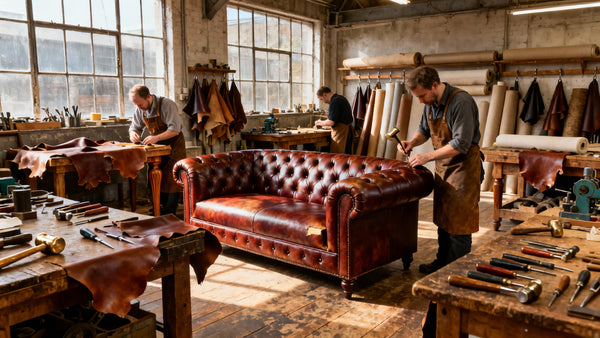
Many British leather Chesterfield sofas, including those in our Leather Chesterfield Collection at Luxury Furniture Collection, are handmade in the UK with deep buttoning, rolled arms and traditional detailing. That heritage is important, but your buying decision should rest on objective factors you can verify with any brand.
2. Chesterfield Sofa Frame Type: The Non‑Negotiable Foundation
The frame is the one area where compromise will usually shorten the life of your Chesterfield. A quality Chesterfield sofa frame type is typically kiln‑dried hardwood (beech, birch, oak or similar), or an equivalent robust structural timber. This matters more than any cushion or colour choice.
Ask directly: “What timber is the frame, and how are the joints made?” Look for wording such as solid hardwood frame, screwed, glued and dowelled. Vague phrases—“sturdy wooden frame”, “quality construction”—with no detail are red flags.
Examples from British‑Made Collections
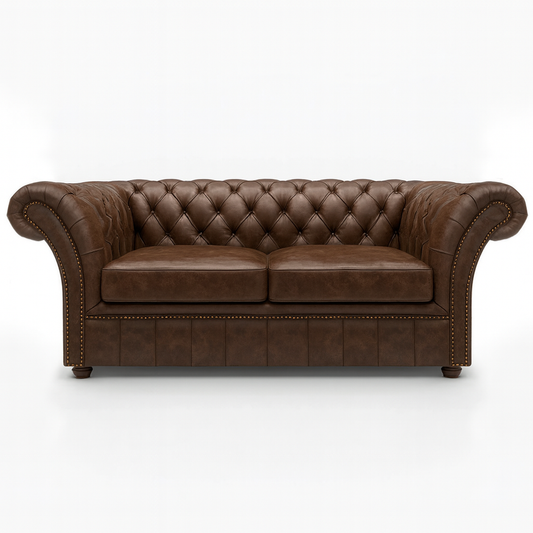
Pieces such as the Cambridge British Made Chesterfield and Grosvenor Duke sit on substantial, traditionally built frames designed for decades of daily use. While we avoid making exaggerated promises, the overall specification is in line with what you would expect from serious British workshops.

- Non‑negotiable: Robust, stated frame material and proper joinery.
- Nice to have: Additional blocking in high‑stress areas (arms, corners) and visible quality of the timber when you can see underside or back.
3. Suspension Systems: Comfort and Support Over the Long Term
After the frame, suspension (the support layer under the cushions) is the key structural element. On a Chesterfield, this is typically webbing, serpentine springs, or hand‑tied coil springs. Each has a different cost and comfort profile.
For most buyers asking how to choose a Chesterfield sofa, the aim is simple: a seat that feels supportive on day one and still feels balanced years later. That depends on how the suspension system is specified and installed.
Suspension Types You Will Encounter
- Serpentine (zig‑zag) springs: Common, reliable when closely spaced and well‑fixed.
- Hand‑tied coil springs: A “nice to have” upgrade usually found on higher‑end British pieces, offering more even support and a more traditional feel.
- Webbing only: Acceptable on budget or very slimline designs, but not ideal for a substantial deep‑buttoned Chesterfield intended as a long‑term main sofa.

Questions to ask:
- “What suspension system do you use under the seat cushions?”
- “Is it hand‑tied, and how is it fixed to the frame?”
Good answers will be specific—naming spring types, spacing and fixing methods. Vague responses such as “high‑quality springs” without detail suggest cost‑cutting.
4. Leather Quality: Full‑Grain, Cracked Wax and Colour Choices
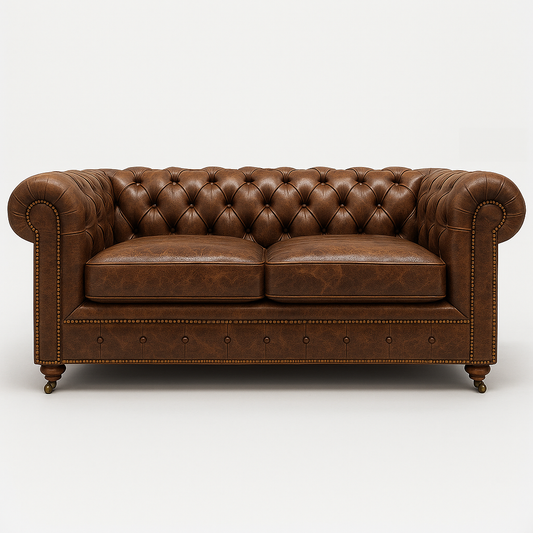
Leather choice is where style and practicality meet. A British leather Chesterfield should ideally use full‑grain or top‑grain leather; split leathers and bonded leathers are a compromise if you want a long‑term investment. At Luxury Furniture Collection, many of our British pieces use cracked wax and premium full‑grain leathers with a tactile, vintage finish.
Colour also influences how forgiving the sofa will be in daily use. Brown leather accounts for 53% of leather sofa sales in 2025, which reflects how versatile and timeless it is, particularly on traditional profiles.
Cracked Wax Leathers on British Chesterfields
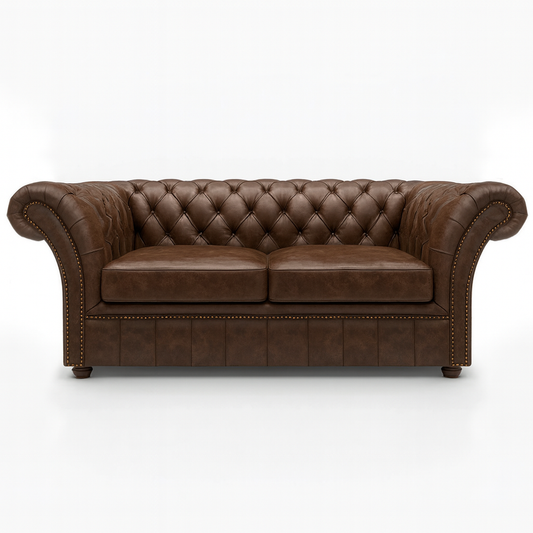
Models such as the Windsor Belgrave, Mayfair Regent, Cambridge and Grosvenor Duke are offered in cracked wax finishes—Mulberry, Espresso, Juniper, Ash and others. These leathers are designed to develop characterful patina rather than looking “worn out” over time.
Questions to ask about leather:
- “Is the leather full‑grain, top‑grain, split or bonded?”
- “Is this an aniline, semi‑aniline or corrected grain finish?”
- “How will this specific leather age and mark in a family setting?”
A retailer should be able to explain the leather type plainly. If they cannot, be cautious—especially on pieces presented as “premium” or “heritage”.
5. Deep Buttoned Chesterfield Quality: What to Look for in the Upholstery
The deep buttoning is the most distinctive element of a Chesterfield. However, it is also where shortcuts show fastest. Good deep buttoned Chesterfield quality comes from time, skill and generous use of materials.
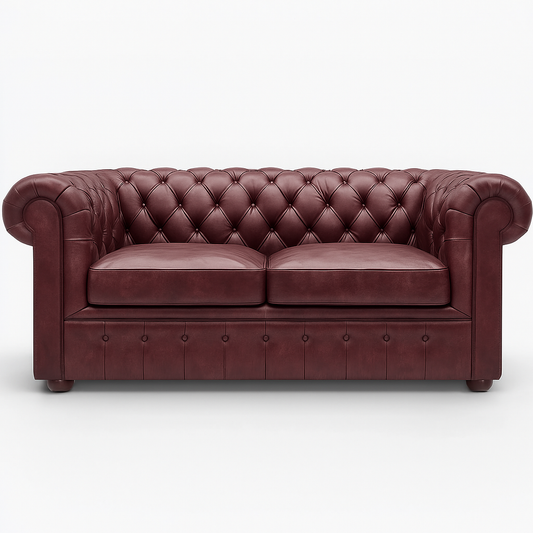
On a well‑made British piece, each button is individually secured, the pleats are smooth and deliberate, and the pattern is consistent on seat, back and arms. You should not see loose leather, uneven spacing, or buttons that pull through with gentle pressure.
Visual Checks You Can Make from Photos
- Even, symmetrical diamond pattern across the back and arms.
- No obvious “bagging” or ripples between buttons.
- Buttons sitting neatly into the leather, not perched or half‑hidden.
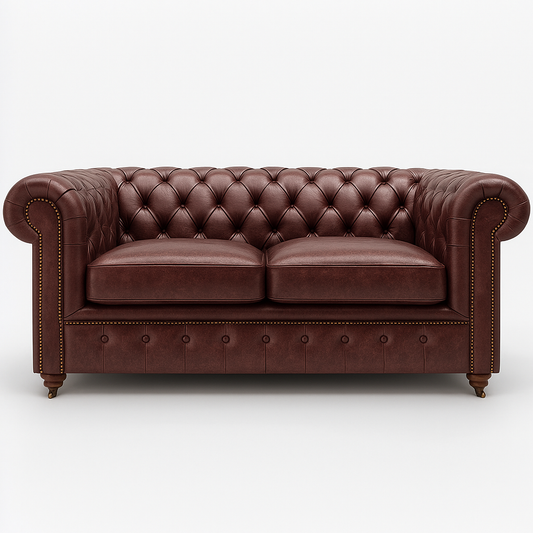
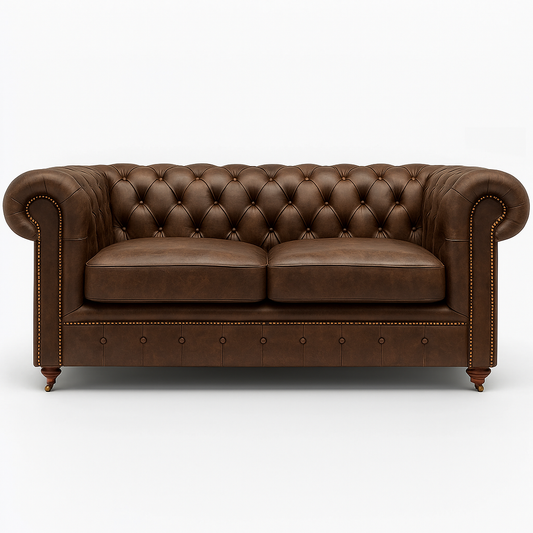
Heritage lines such as Savile Row Heritage and Windsor Belgrave illustrate how tightly executed tufting holds the profile and avoids sagging over time. That is the level you want if you are investing in a sofa intended to serve as a focal point for many years.
6. Chesterfield Sofa Cushion Filling: Comfort, Maintenance and Longevity
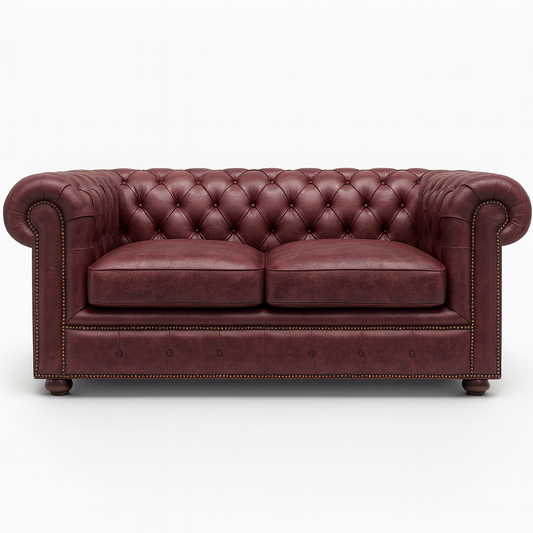
When buyers ask how to choose a Chesterfield sofa, they often focus first on colour and finish. Cushion filling is just as important, especially for everyday comfort. The main options you are likely to see are foam, fibre and feather blends, or combinations of these.
A good Chesterfield sofa cushion filling should balance support and softness, and its behaviour over time should match your lifestyle. For example, a formal sitting room that sees only occasional use can tolerate a different feel to a busy family living room.
Common Filling Types
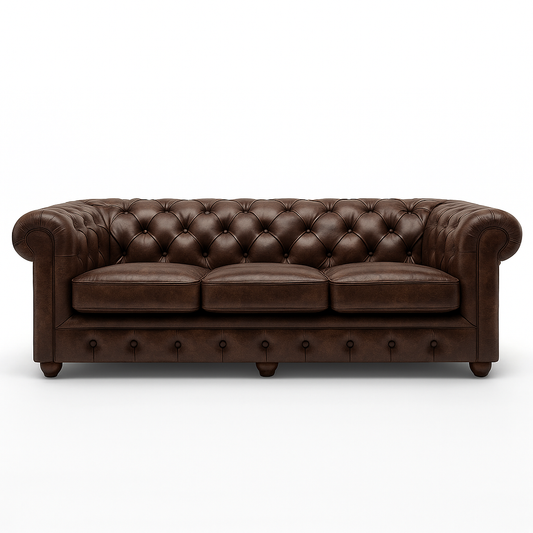
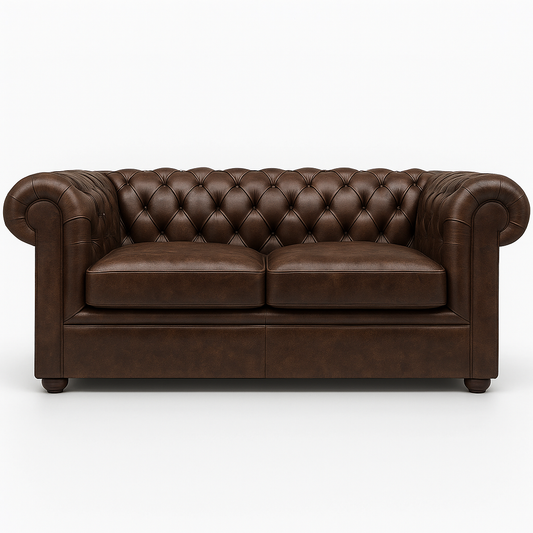
- High‑density foam with fibre wrap: Holds shape well, low maintenance, slightly firmer sit.
- Foam and feather or feather‑fibre blends: Softer, more “sink‑in” feel but require regular plumping.
- All feather: Luxurious at first but can clump, flatten and look untidy if not regularly maintained.
Questions to ask:
- “What is inside the seat and back cushions, exactly?”
- “What density foam do you use, and what is the expected behaviour over time?”
Good answers will reference densities, layer structure and maintenance expectations. It is better to have a realistic description—“will soften slightly over the first few months”—than something implausible like “will never change shape”.
7. Hand Studded vs Strip Studding: Details that Signal Craftsmanship
Studwork is more than decoration; it is a strong indicator of the care taken in building your sofa. Traditional Chesterfields often feature hand‑applied studs around the front border and arms. This is slower and more labour‑intensive than using continuous stud strips, but it gives a sharper, more precise finish.
That said, not every buyer needs hand studding everywhere. Strip studding can look smart if applied carefully. The key is consistency: spacing, alignment and how securely they are fixed.
How to Assess Studwork
- Look for clean, even lines following the frame precisely.
- Check that studs sit snugly against the leather, without gaps or obvious bending.
- Ask whether the studs are individually applied or in strips, so you know what you are paying for.
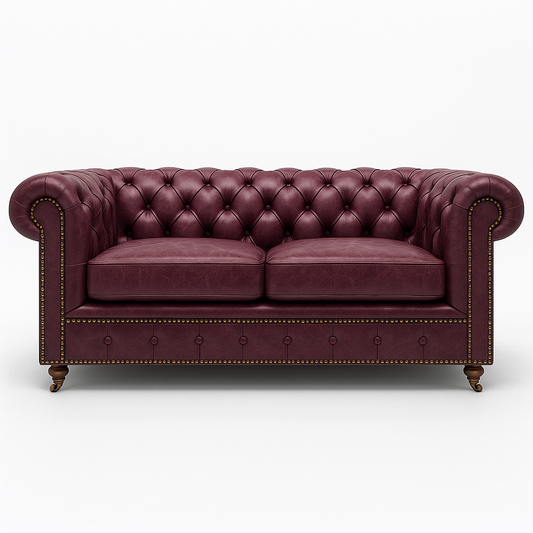
In our view, hand studding is a “nice to have” upgrade that pairs well with full‑grain leathers and deep buttoning. It is one of the details that separates a genuinely crafted piece from something that only looks the part in a photograph.
8. Chesterfield Sofa Warranty: Interpreting What It Really Means
A Chesterfield sofa warranty will not guarantee comfort preferences, but it does show how confident a maker is in their construction. Many retailers in the UK offer multi‑year warranties on frames and springs, with shorter cover for leathers and cushions.
When comparing British leather Chesterfield sofas, use the warranty as one data point among many. A long frame warranty can be reassuring—especially on higher‑priced pieces—but it should sit alongside clear construction details and honest advice on maintenance.
What to Ask About Warranty
- “How long is the frame covered, and for which faults?”
- “Is the suspension system covered separately?”
- “What is the cover for leather wear, cracking or colour changes?”
- “Are cushion fillings covered against loss of resilience?”
We always recommend reading FAQs and warranty pages carefully. For example, the FAQ section at Luxury Furniture Collection explains typical coverage and care expectations in plain language, which is the tone you should expect from any serious retailer.
9. Red Flags and Misleading Phrases to Watch Out For
When you are weighing up how to choose a Chesterfield sofa, spotting red flags early can save you from expensive mistakes. A piece may look “Chesterfield‑like” but lack the build quality of true British leather Chesterfield sofas.
Here are phrases and signs that should prompt further questions—or a polite step back.
Common Red Flags
- “Genuine leather” with no further detail: Often used to mask split or bonded leathers.
- “Solid wood frame” only: No species or construction method mentioned.
- No clear origin: “Designed in Britain” is not the same as “Made in Britain”.
- Unrealistic promises: “Will never crease or soften” is not how real leather behaves.
- Very short or unclear warranty: Especially on high‑priced models.

If you encounter several of these at once, and especially if the pricing seems “too good” compared with typical British‑made Chesterfield ranges starting in the low £2,000s for leather three‑seaters, proceed carefully.
10. Nice‑to‑Have Upgrades on British Leather Chesterfield Sofas
Once the fundamentals—frame, suspension, leather and cushioning—are in place, certain upgrades can add genuine value and enjoyment. These are not essential for every buyer, but they are worth considering if you want a piece that feels truly tailored to you.
In ranges such as Mayfair Regent, Windsor Belgrave and Savile Row Heritage, Luxury Furniture Collection focuses on details that you will notice every day rather than one‑off gimmicks.
Upgrades Worth Considering
- Hand‑tied springs: For a more traditional, resilient sit.
- Premium cushion options: Choice of firmer or softer fills, or upgraded feather blends.
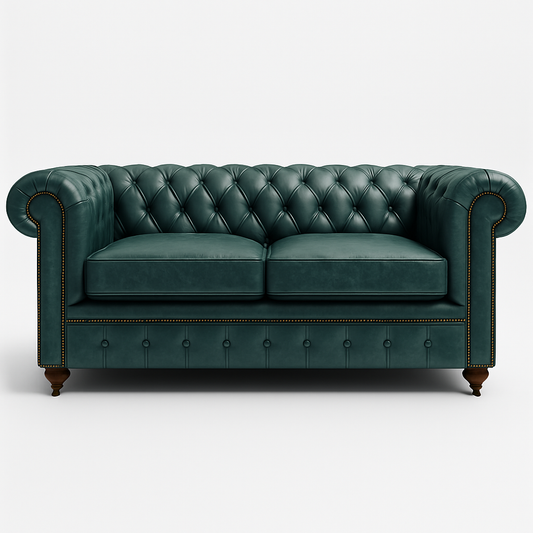
- Extended leather palette: Including subtle tones such as Thames Fog Ash Grey for contemporary spaces.
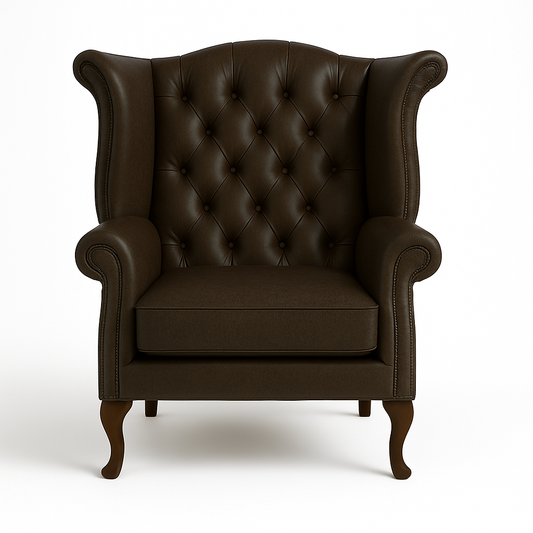
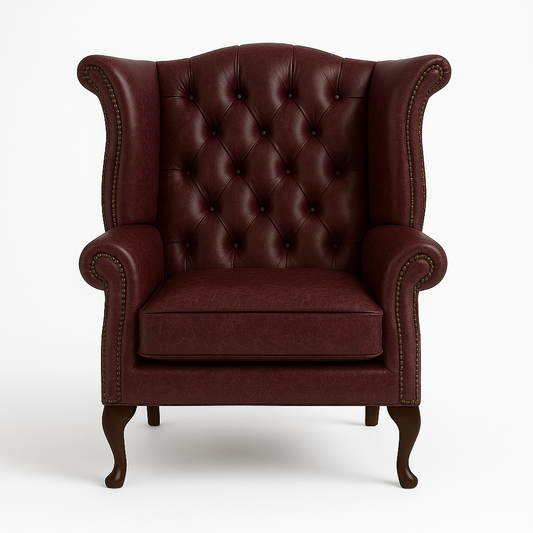
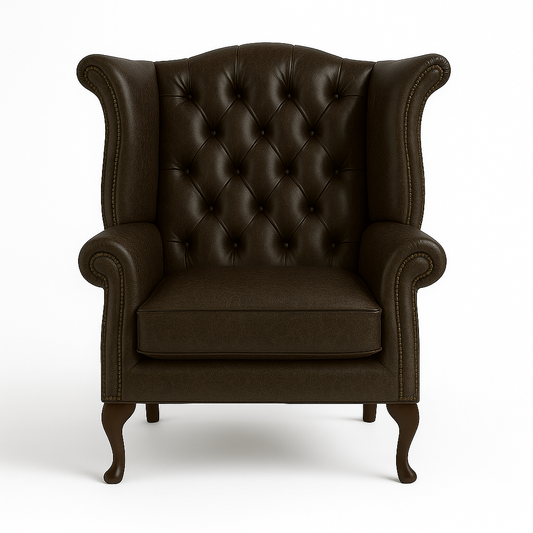
- Matching accent chairs: Wingback or club chairs in coordinating leathers, such as the Heritage Wingback pieces.

When discussing upgrades with any retailer, keep the focus on tangible benefits: How will this affect comfort, maintenance, or the way the sofa ages? If the answer is mainly aesthetic, decide whether that is worth it for your space and budget.
11. Real‑World Examples: Comparing British Leather Chesterfield Styles
It can help to anchor the principles of how to choose a Chesterfield sofa in real designs. Within Luxury Furniture Collection, several core British‑made lines show how different profiles and leathers behave.
Windsor Belgrave & Grosvenor Duke
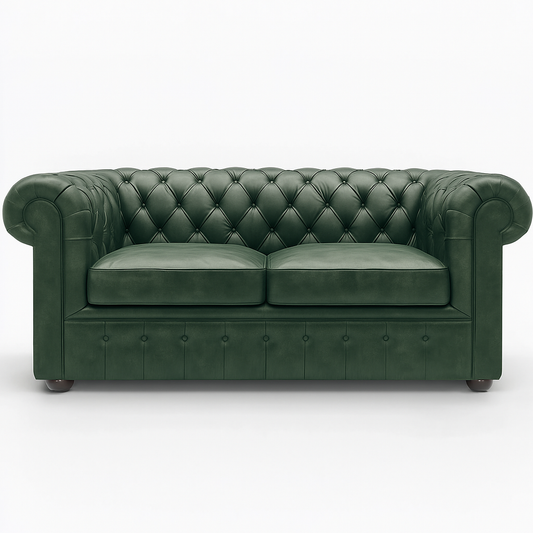
Windsor Belgrave has a refined, slightly softer profile; Grosvenor Duke is a little grander and more imposing. Both use cracked wax leathers available in Mulberry, Espresso, Juniper and Ash, offering a balance of tradition and lived‑in character.
Cambridge & Savile Row Heritage
Cambridge offers a classic Chesterfield silhouette with cracked wax Pewter and Ash tones that suit more contemporary rooms. Savile Row Heritage leans into a tailored, heritage look without being overly formal.
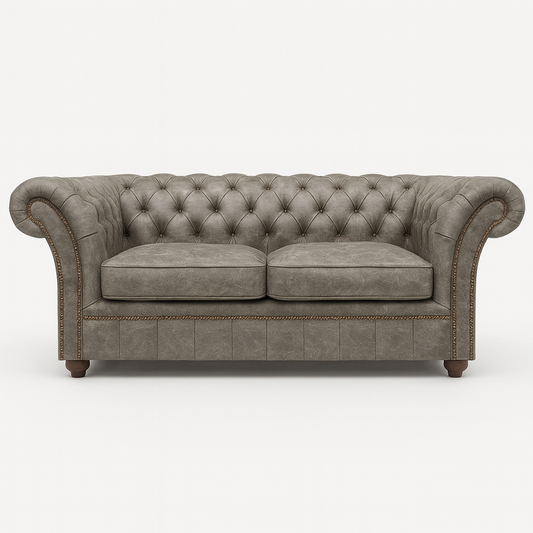
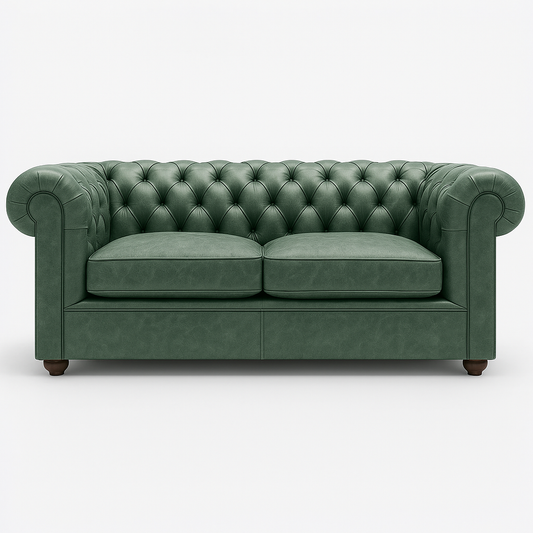
Seeing how different arms, back heights and leathers change the feel of a Chesterfield will help you narrow down what suits your room and how you actually live, beyond just the label.
12. FAQs: Straight Answers for Chesterfield Sofa Buyers
We are often asked the same practical questions by customers comparing British leather Chesterfield sofas. Below are concise, non‑snobbish answers to help you benchmark any brand, not just ours.
Is a British‑made Chesterfield really better?
Not automatically, but British workshops with long experience in Chesterfield construction tend to use proven frame and upholstery methods. Always verify materials, joinery and suspension rather than relying solely on the “British‑made” label.
What size Chesterfield should I choose?
Measure the room, access routes and other key pieces. Many retailers offer 2‑, 3‑ and sometimes 4‑seater options; for example, some Italian leather Chesterfields run up to four‑seater configurations. Leave breathing space around the sofa so the profile can be appreciated rather than crammed against other furniture.
How do I maintain a cracked wax leather Chesterfield?
Dust regularly with a soft cloth, avoid harsh cleaners, and use a suitable leather conditioner as advised by the retailer. Cracked wax finishes are designed to show character; fine marks and shading shifts are part of their appeal rather than defects.
Are Chesterfields comfortable for everyday use?
Yes, provided you choose the right cushion filling and seat depth for your build and how you sit. If possible, try a similar seat build in person, or ask for detailed sit descriptions from the retailer—firmer, medium or softer, and how much “give” to expect.
Do I need matching chairs?
No, but many people like a matching or coordinating wingback or club chair. Collections such as the Heritage Wingback range in similar leathers can provide this without feeling too “set‑like”.

Questions to Ask Any Chesterfield Retailer (and What Good Answers Look Like)
-
“Which timber is the frame made from, and how are the joints constructed?”
Good answer: Names the timber (for example, beech) and joinery method (screwed, glued, dowelled). -
“What suspension system is under the seat?”
Good answer: Specifies serpentine or coil springs, spacing, and whether they are hand‑tied. -
“What exact leather type is used?”
Good answer: Full‑grain or top‑grain, and finish (aniline, semi‑aniline, cracked wax, corrected grain). -
“What is inside the cushions?”
Good answer: Details foam density, feather/fibre content, and expected behaviour over time. -
“What are the terms of the Chesterfield sofa warranty?”
Good answer: Separate durations and coverage for frame, springs, leather and fillings.
About Luxury Furniture Collection
Luxury Furniture Collection curates British leather Chesterfield sofas and chairs that combine traditional craftsmanship with practical, modern comfort. Our focus is on honest construction, considered materials and clear information, so you can buy with confidence rather than guesswork.
Explore our full story and approach on the Luxury Furniture Collection website, where you will also find detailed product pages, leather options and support from our advisors.
Conclusion
Knowing how to choose a Chesterfield sofa comes down to understanding a few key principles and asking the right questions. Focus first on the non‑negotiables—frame material and joinery, suspension, leather quality, deep buttoning execution and overall craftsmanship. Then decide which “nice to have” upgrades, from hand‑tied springs to premium cushion fillings, genuinely matter to you.
If you keep these points in mind, you can compare British leather Chesterfield sofas from any brand without needing to be an expert. If you would like to see how these standards look in practice, we invite you to browse the leather Chesterfield collection and speak with an advisor at Luxury Furniture Collection for tailored guidance on your next sofa.