How Heavy Is a Leather Chesterfield Sofa? Weight, Floors & Moving Explained
When you picture a British leather Chesterfield sofa, you probably think of deep buttoning, full‑grain leather and a reassuringly solid feel – but not everyone realises just how substantial these pieces can be until delivery day. With 23% of UK shoppers having returned large furniture items (including sofas) in the last two years, understanding the true weight and practical implications of a Chesterfield before you buy is more important than ever.
Key Takeaways: Weight, Floors, and Moving (In Plain English)
| Question | Short Answer | What You Should Do |
|---|---|---|
| How heavy is a Chesterfield sofa on average? | A quality 3‑seater leather Chesterfield typically ranges from 55–85 kg (varies by design). | Assume the upper end if it has a solid hardwood frame and deep buttoning, and plan delivery/moving help accordingly. |
| Will a heavy sofa damage wooden floors? | It can mark or dent floors if placed directly on timber or soft finishes. | Use discreet sofa floor protectors and check your floor type and condition before placing the sofa. |
| Can my floor hold a sofa in a Victorian/Edwardian home? | In most cases yes, because the weight is spread across several legs. | Look at joist direction, spacing and any signs of flex; ask a professional if you have doubts about older floors. |
| Is a 3‑seater leather sofa harder to move upstairs? | Yes – the combination of weight, length and rigid frame makes it awkward. | Measure stair widths, turns and landings; discuss stair access with your chosen maker before ordering. |
| What affects Chesterfield sofa weight the most? | Frame timber, suspension (springs vs webbing), cushion fill and leather thickness. | Expect heavier weights from solid hardwood frames and deep sprung seats, like those in many Luxury Furniture Collection designs. |
| How do I protect my floors without spoiling the look? | Use low‑profile felt, rubber or cup protectors that sit neatly under each leg. | Choose neutral colours that blend into timber or stone, and check they’re rated for furniture weight. |
| Do heavier sofas last longer? | Often yes – extra weight usually reflects solid frames and quality materials. | Balance practicality (delivery, moving) with longevity when selecting your British leather Chesterfield. |
Why Chesterfields Can Be Heavier Than “Normal” Sofas
Classic British leather Chesterfield sofas are built very differently from many modern, lightweight sofas. Where some contemporary models use slim plywood and minimal padding, traditional Chesterfields rely on solid hardwood frames, robust springing and generous upholstery that naturally add weight.
Many British workshops – including the makers behind the Italian leather Chesterfields at Luxury Furniture Collection – follow time‑tested construction methods. Those methods prioritise structure and longevity over shaving off a few kilograms, which is why a handmade Chesterfield can feel reassuringly substantial when you sit down.
Leather itself also contributes to the overall sofa weight. Full‑grain hides, like the Italian leather used on the Roseate Red and Onyx Black models, are thicker and denser than synthetic or split leathers, adding both durability and a little extra heft to each seat.
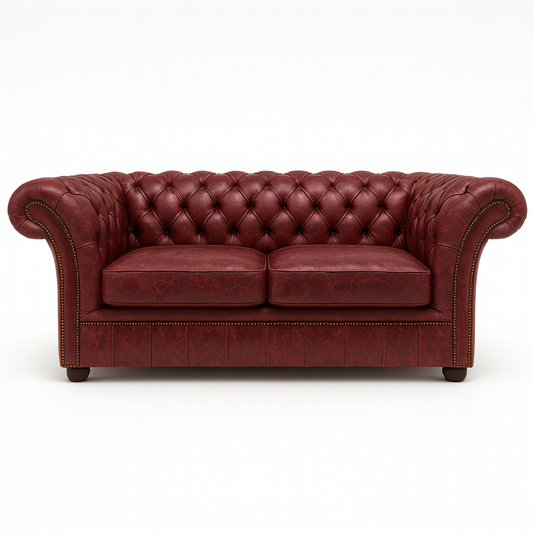
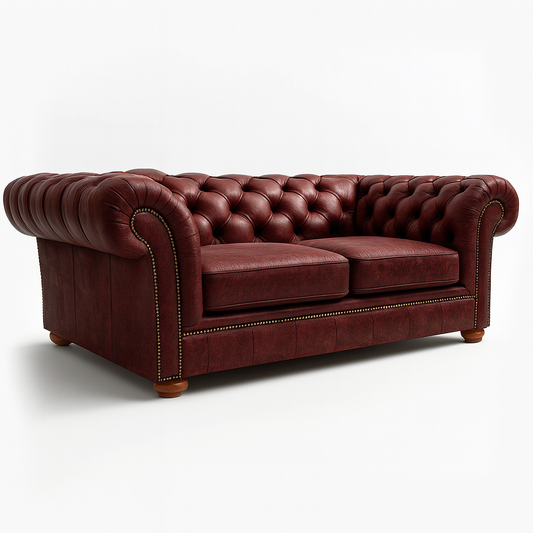
Deep button tufting, a hallmark of British leather Chesterfields, adds more layers of padding and internal fixings. Each button is anchored through the frame or padding, with folds of leather carefully tacked in place, which requires a sturdier structure underneath and more materials overall.

Chesterfield Sofa Weight: What Affects It (Size, Frame, Suspension, Cushions)
When customers ask us “how heavy is a Chesterfield sofa?”, we always explain that it varies by design. However, you can estimate where a particular piece will sit by looking at four main elements: size, frame, suspension and cushions.
1. Size: 2‑Seater vs 3‑Seater vs 4‑Seater
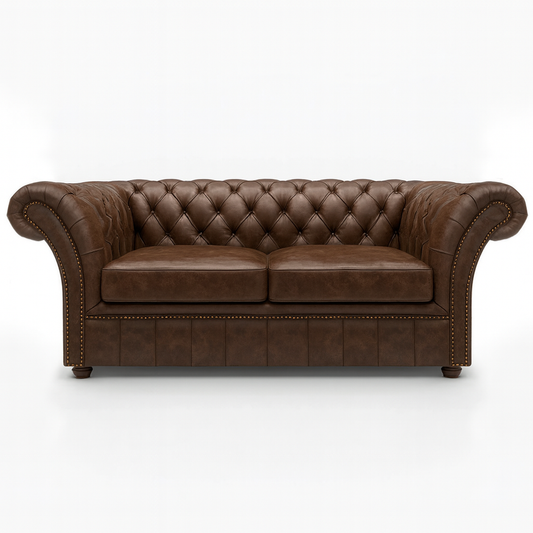
As a rule, each additional seat on a leather Chesterfield adds another 10–20 kg (varies by design). A compact two‑seater might fall in the region of 45–65 kg, while a generous three‑seater like the Sorrel Brown or Onyx Black designs can be closer to the 55–85 kg bracket.
A four‑seater, such as the extended Onyx Nero layout, naturally requires a longer frame, additional springs and more leather, pushing the weight higher again. For flats and older terraced homes, we often find a 3‑seater provides the best balance of presence, comfort and manageable weight.
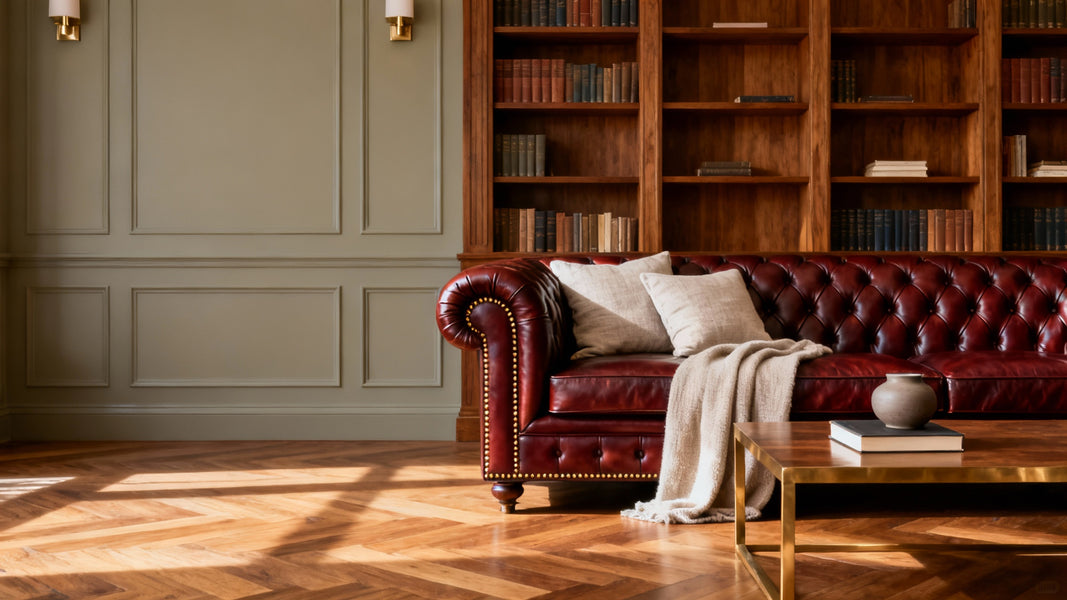
2. Frame: Solid Hardwood vs Lightweight Construction
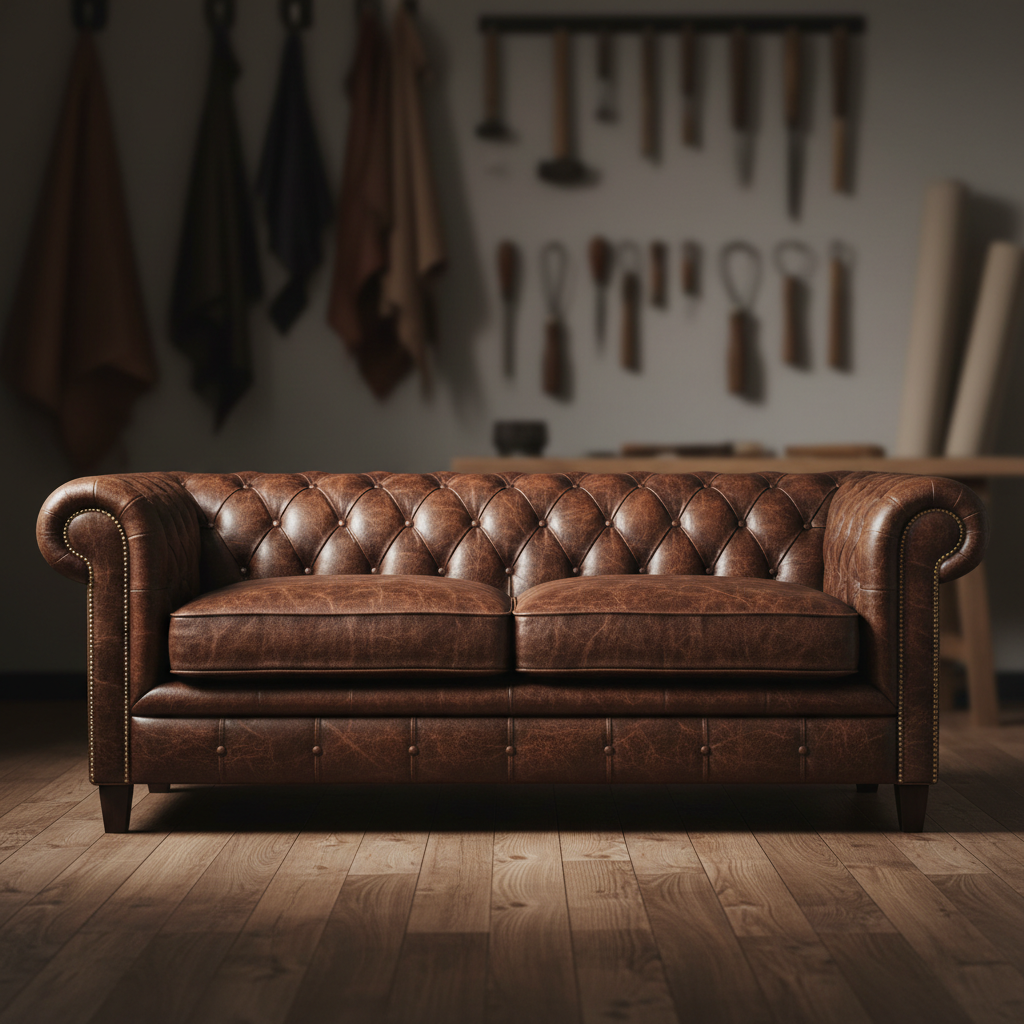
A British‑made Chesterfield frame is typically built from kiln‑dried hardwood, designed to support both weight and movement for decades. That approach is heavier than softwood or engineered board, but it dramatically improves stability and resistance to warping.
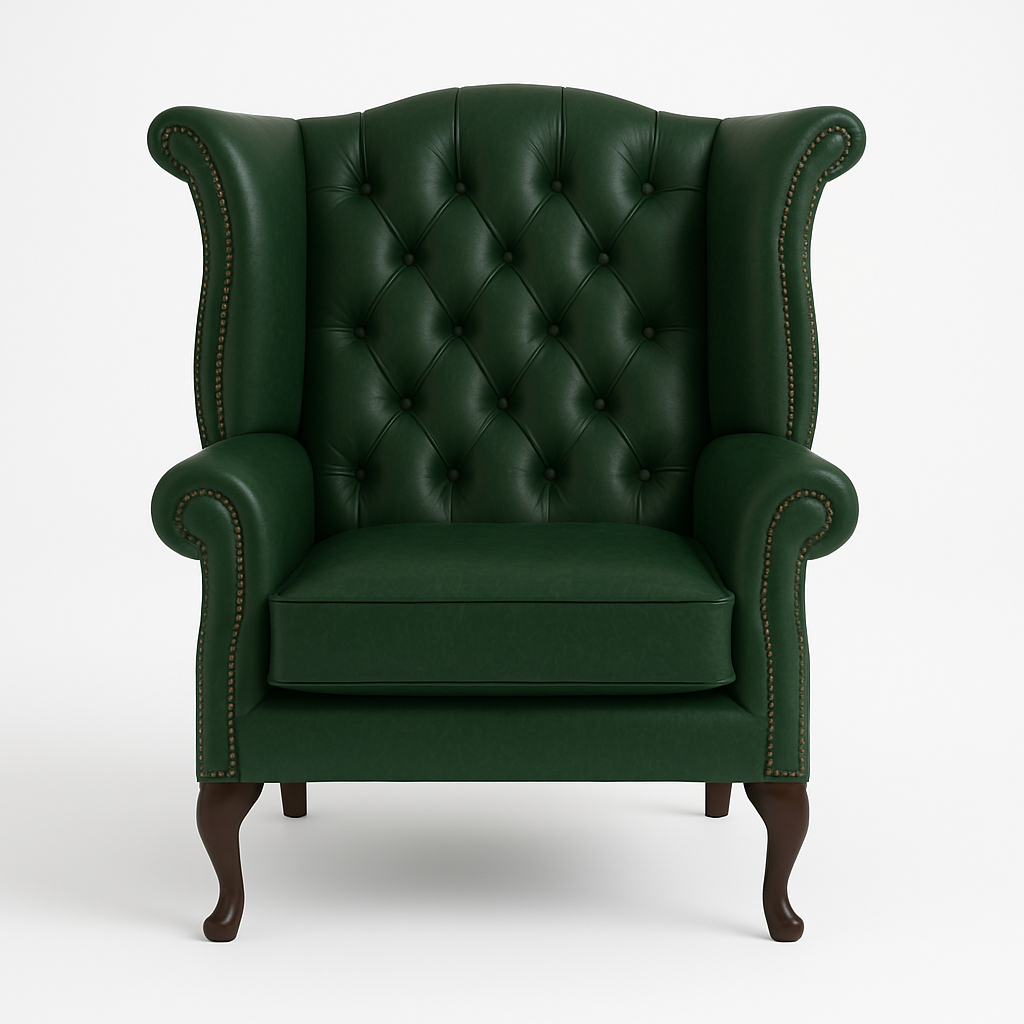
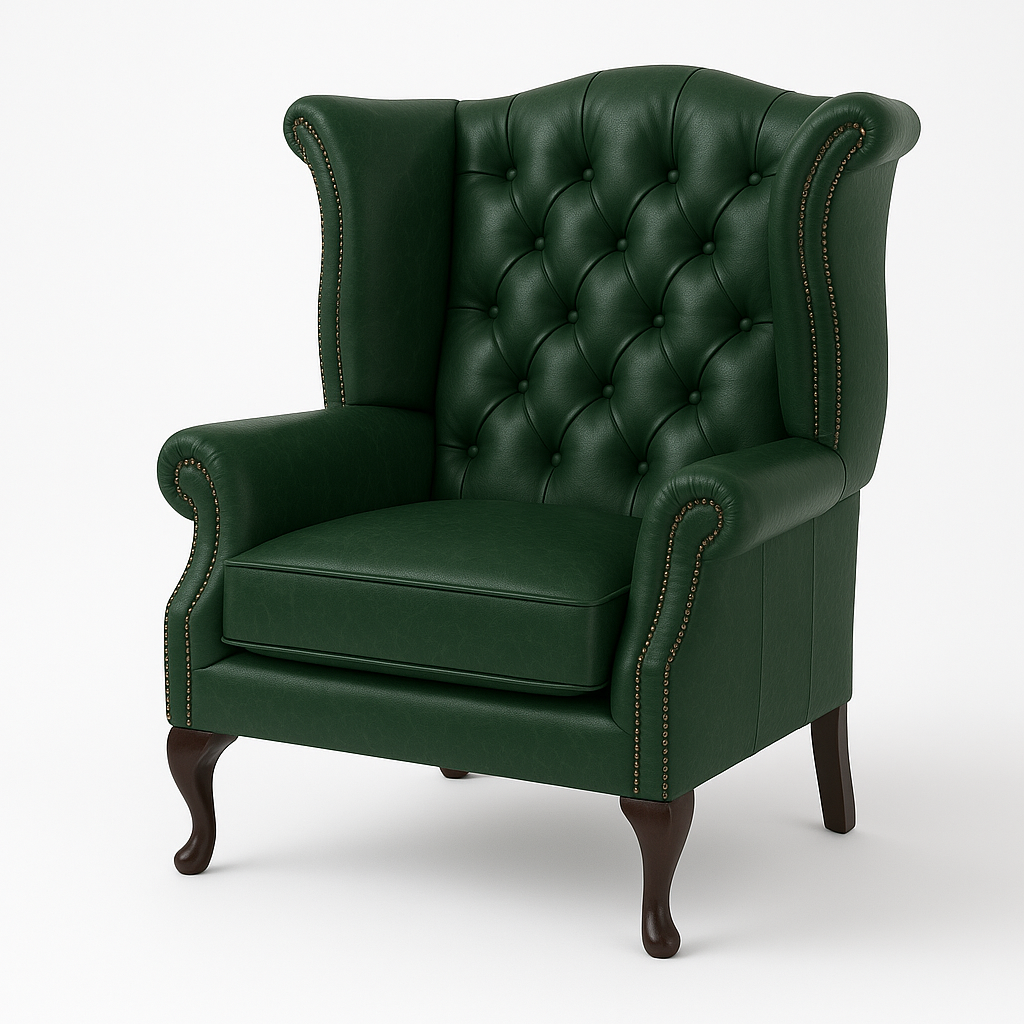
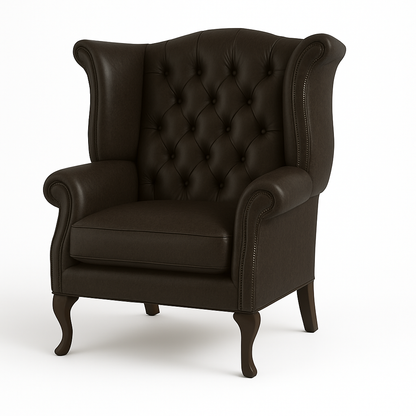
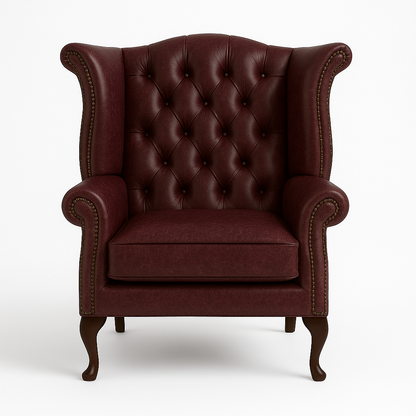
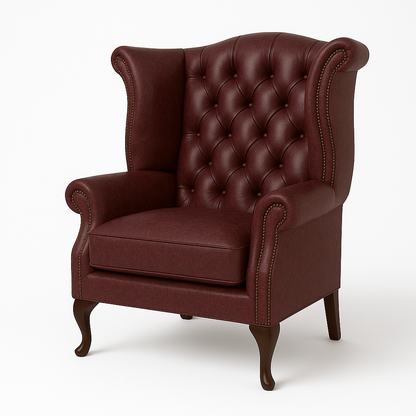
Pieces such as the Austen Wing chairs (Juniper Green, Balmoral Mulberry, Espresso Brown, Churchill Tobacco) use solid hardwood frames similar in philosophy to a full sofa, which is why even a single chair feels sturdy and weighty when lifted.
3. Suspension: Springs vs Webbing
A fully sprung seat and back – common in heritage Chesterfield builds – will weigh more than a webbed equivalent, but offers more consistent comfort over time. Each coil or serpentine spring adds steel to the structure, and the timber rails supporting those springs are typically thicker to cope with ongoing use.
From a weight perspective, you can expect a deep sprung three‑seater to sit higher in the weight range than a webbed sofa of similar size. For most customers, the comfort and longevity justify the extra kilograms.
4. Cushions and Leather Thickness
Cushions filled with high‑density foam, feather or a feather‑foam blend are heavier than basic fibre. Likewise, thicker full‑grain Italian hides – such as those specified for the Onyx Black three‑seater – add measurable weight compared with lighter, corrected leathers.
As a rough guide, upgrading to plush seat interiors and premium leather can add several kilograms across a 3‑seater. However, you gain better support, a richer hand‑feel and a finish that ages gracefully rather than wearing thin.
Will It Damage My Floor? (Timber Floors, Engineered Wood, Laminate, Tiles)
“Will a heavy sofa damage wooden floors?” is one of the most common questions we hear from customers considering a full‑grain leather Chesterfield. In most cases, the answer is no – provided you understand how the weight is carried and you choose the right sofa floor protectors for your surface.
A three‑seater Onyx Black Chesterfield at around £1,295.00 represents a long‑term investment, so it makes sense to protect both the sofa and the floor underneath. Different floor types react differently to heavy furniture, which is why we always advise treating timber, engineered wood and laminate with more care than stone or ceramic tiles.


- Solid timber and original floorboards (Victorian/Edwardian): Beautiful but more prone to dents from small legs, especially pine and softwoods.
- Engineered wood: More stable, but the top veneer can still mark if the leg footprint is small and the load is concentrated.
- Laminate: Generally hard‑wearing, though dragging a sofa without protectors can cause scuffs or lift edges.
- Tiles and stone: Less likely to dent, but grout lines may chip if a leg sits directly over them and the sofa is dragged.
Point Load vs Spread Load (Simple Explanation)
When you ask “can my floor hold a sofa?”, what you are really worried about is how the weight is distributed. A heavy Chesterfield spreads its total weight across four to six legs, so each individual point carries only a fraction of the overall load.
For example, an 80 kg sofa with four legs places roughly 20 kg of static weight on each leg (before people sit down). That is well within what most domestic floors can handle, although small legs can create localised pressure marks in softer woods over time, particularly if the sofa is moved frequently.
Floor‑Protection Options That Still Look Luxury
We always recommend fitting subtle protectors to the base of each leg to avoid dents and scratches. The good news is that modern options are discreet and don’t detract from the look of a British leather Chesterfield sofa.
- Felt pads: Ideal for timber and laminate; choose dense, high‑quality felt so it doesn’t compress too quickly under weight.
- Low‑profile rubber pads: Offer grip on smooth stone or tile floors, helping prevent slipping without being visible.
- Cup protectors: For turned wooden or bun feet, slim cups in black or antique brass can look intentional while spreading load.
Whichever style you choose, check the manufacturer’s guidance for maximum supported weight per pad or cup. For a 3‑seater Chesterfield, we usually suggest specifying products comfortably rated above 30–40 kg per leg to allow for occupants.

Flats and Upstairs Delivery: What to Check Before Ordering
Weight becomes most noticeable when you need to get a leather Chesterfield sofa upstairs, around a tight Victorian turn, or into a converted loft. The question “can my floor hold a sofa?” is often followed closely by “will the delivery team be able to get it in at all?”.
Many British makers, including the family workshop behind these Chesterfields, offer room‑of‑choice delivery as standard. However, they rely on your measurements and access notes, so it’s essential to be thorough before confirming your order.
- Measure all doorways and hallways along the route, not just the front door.
- Check stair width, ceiling height above the stairs and any low light fittings.
- Note tight turns or half‑landings that might limit how the sofa can be angled.
- Ask whether legs are removable and whether the back is fixed or can be detached.
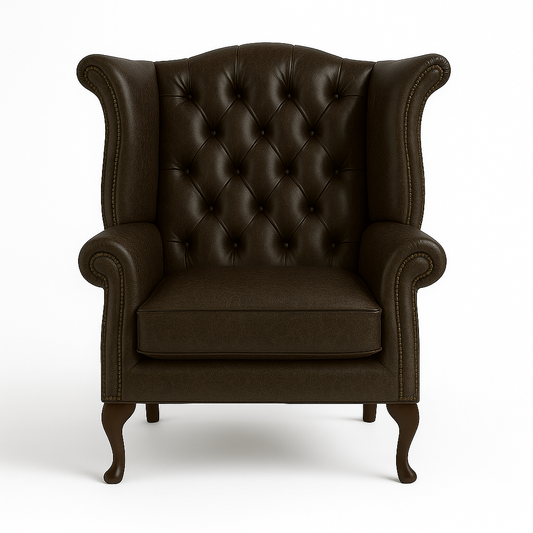
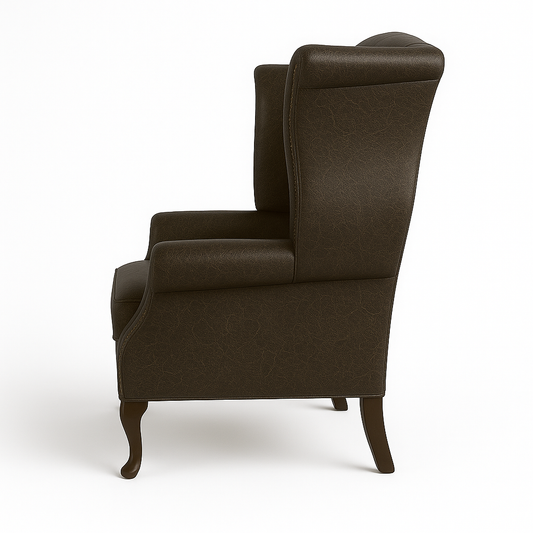
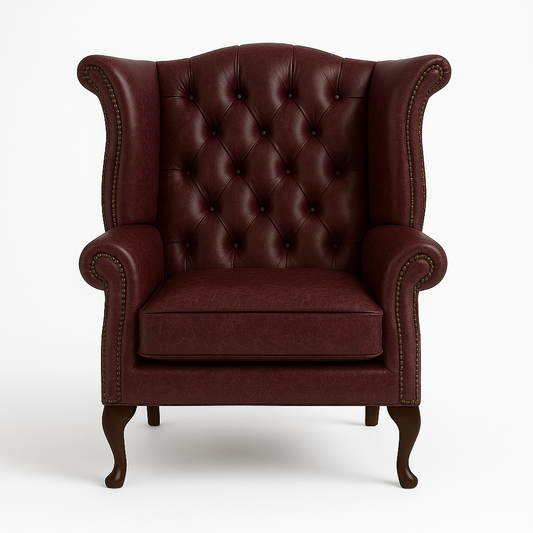
For top‑floor flats and apartments, consider whether a 2‑seater plus an Austen Wing chair might be more practical than a very long 4‑seater. The total seating capacity can be similar, but splitting the load into two or three smaller pieces makes stairs and lifts far more manageable.

International Buyers: Why Weight Matters for Shipping Quotes
If you are ordering a British leather Chesterfield sofa from overseas, weight directly affects your shipping quote. Couriers and freight partners typically price long‑distance deliveries on a combination of volumetric size and actual kilogram weight.
Larger three‑ and four‑seater Chesterfields in full‑grain Italian leather will naturally be at the higher end of the weight spectrum, especially with solid hardwood frames and deep springing. While we do not publish blanket shipping rates – they vary by region and access – we always recommend requesting an item‑specific quote that takes into account the true packed weight.
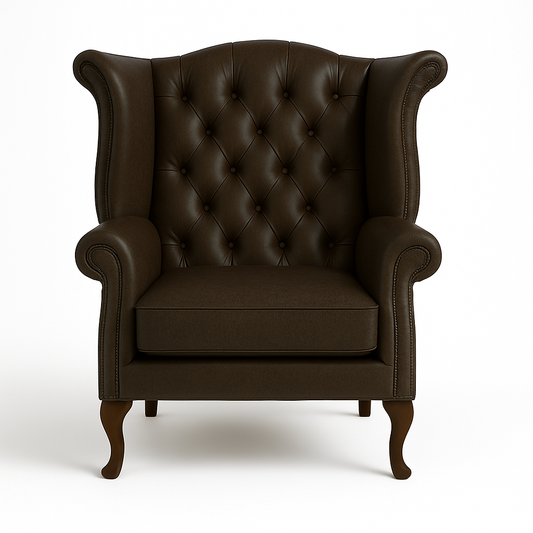

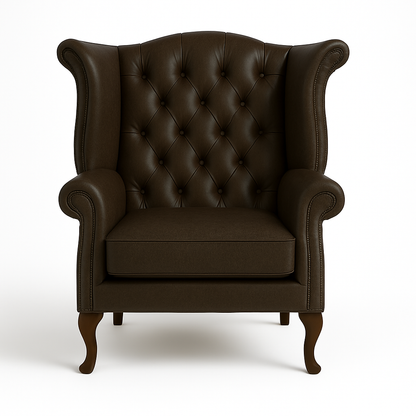
Accent pieces, such as the Austen Wing chairs at around £1,295.00, are often more economical to ship individually or as part of a mixed consignment than very large sofas. For many international clients, a combination of one Chesterfield sofa and one or two matching wing chairs strikes the right balance of cost, impact and seating.
Moving a Chesterfield Safely (What to Avoid; Protecting Leather and Studs)
Once your Chesterfield is in place, you may still need to move it occasionally – for decorating, cleaning or reconfiguring a room. Because of the weight and the nature of full‑grain leather, a little planning goes a long way towards avoiding scuffs or damage.
We generally advise against attempting to move a three‑ or four‑seater Chesterfield alone, even a shorter Onyx or Sorrel Brown model. Having at least two people allows you to lift rather than drag, which is kinder to both your floors and the sofa’s legs.
- Avoid dragging: This can tear felt pads, scratch floors and stress the leg joints.
- Use lifting straps where possible: They help distribute weight and give better control on stairs.
- Protect corners and arms: Use clean moving blankets or thick cloths to guard against knocks to leather and studs.
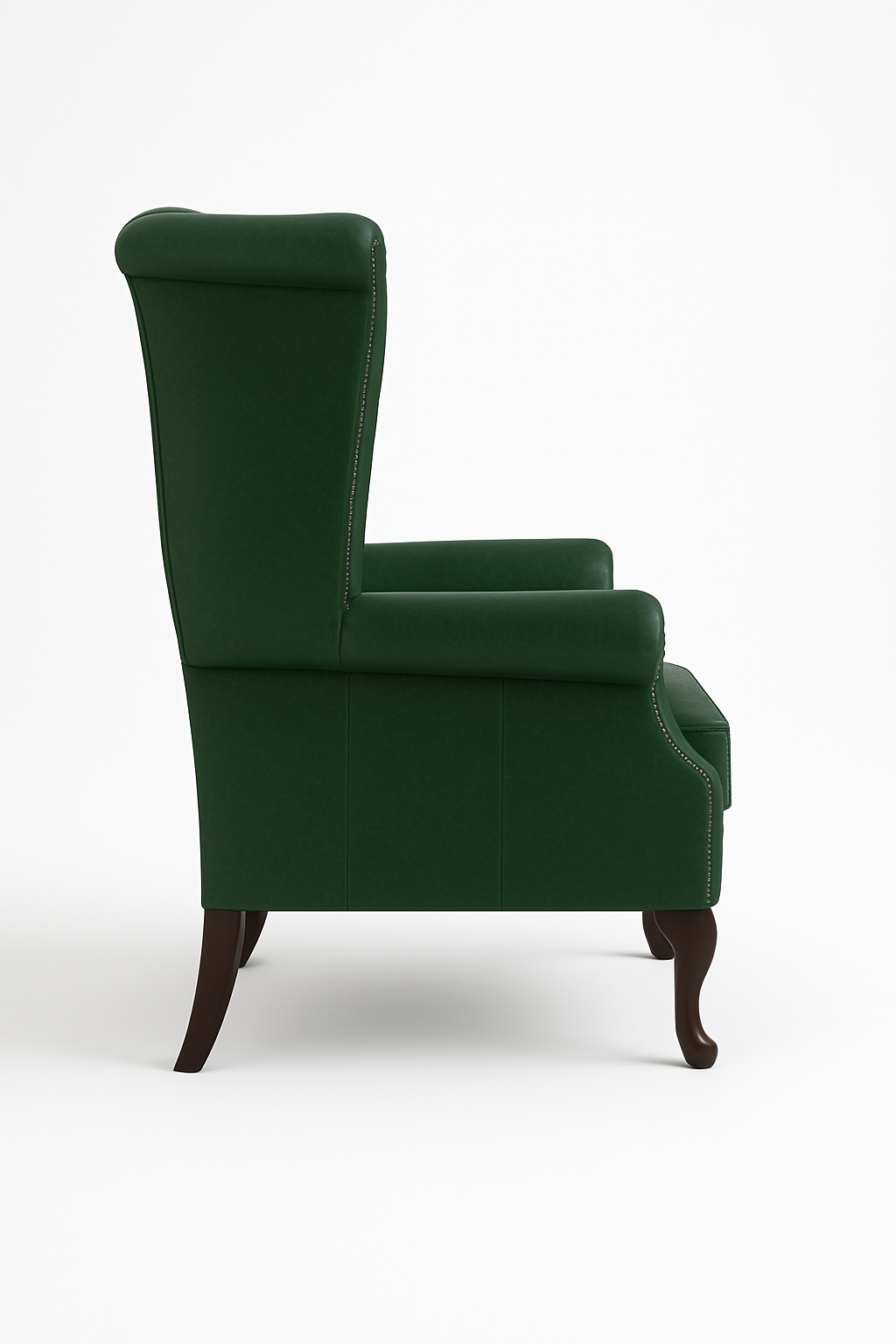
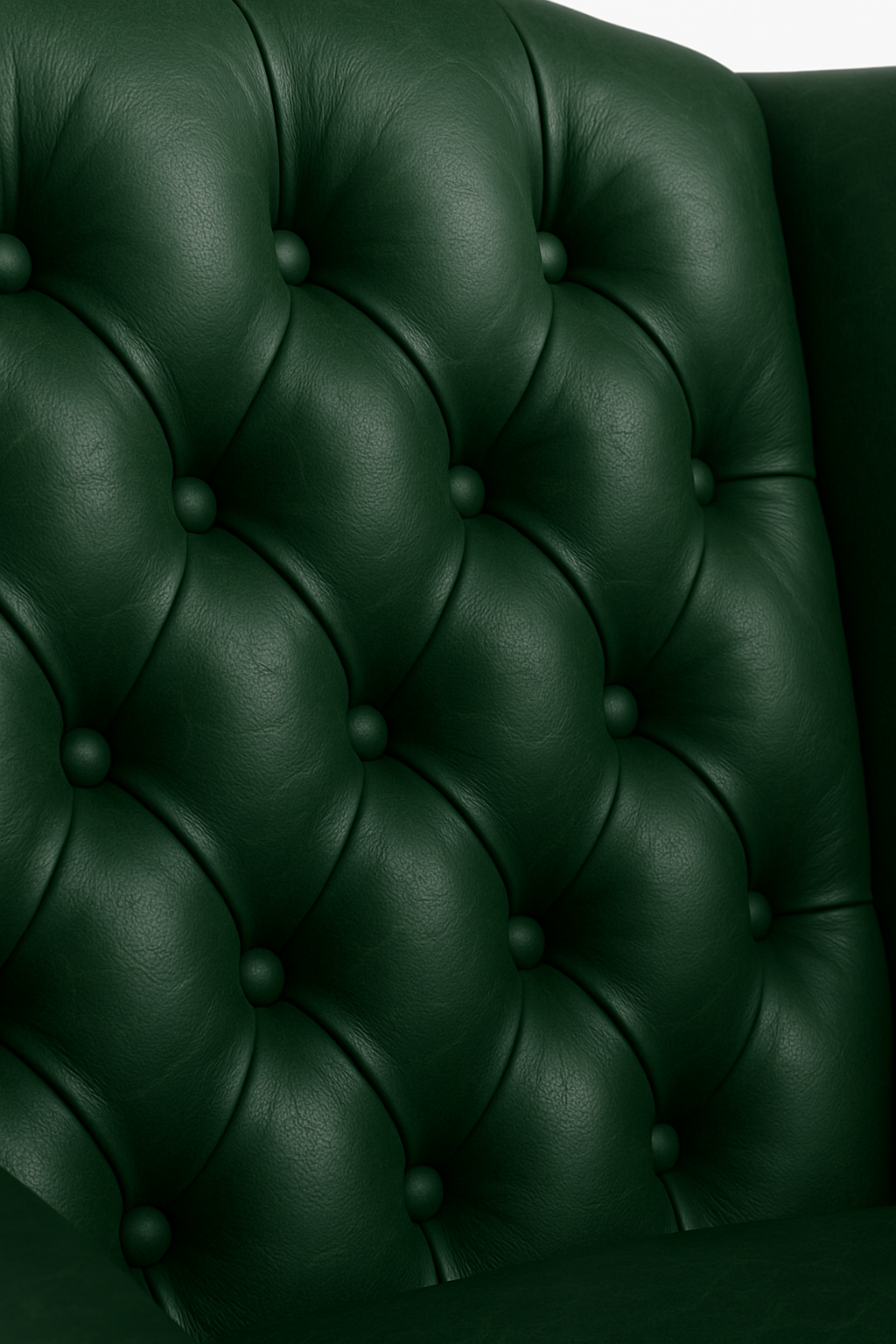
When tilting or pivoting the sofa, always keep the weight supported through the main legs rather than resting edges directly on the floor. Leather can compress at sharp corners if it bears too much weight against a hard surface, and studs can become distorted if they are used as handholds during lifting.
Checklist: What to Measure / Check Before You Buy (Screenshot‑Friendly)
To make sure your new Chesterfield arrives, fits and sits happily on your floors, we recommend running through this simple pre‑purchase checklist.
| Leather Chesterfield Sofa Pre‑Purchase Checklist | |
|---|---|
| 1. Room size | Measure length, width and ceiling height; confirm your chosen sofa size (2‑, 3‑, or 4‑seater) will not dominate circulation space. |
| 2. Access route | Measure front door, internal doors, hallways, stair widths, turn clearances and lift dimensions where applicable. |
| 3. Floor type | Note whether you have original timber, engineered wood, laminate, tile, stone or carpet in the intended room. |
| 4. Floor condition | Look for signs of flex, squeaks or visible sagging; consider professional advice for older or uneven floors. |
| 5. Estimated sofa weight | Ask for an indicative weight range (especially for 3‑ and 4‑seaters) and confirm it is practical for your stairs and flooring. |
| 6. Leg and foot design | Check size, shape and quantity; plan suitable pads or cups that will sit securely beneath each leg. |
| 7. Delivery details | Confirm room‑of‑choice delivery, access limitations and whether legs/backs are removable if needed. |
| 8. Future moves | Consider how often you reconfigure your room and whether a combination of sofa plus chairs might be easier to handle long‑term. |
Table: Concern → What to Check → Practical Solution
Use this quick‑reference table to match common worries about Chesterfield sofa weight and floors with clear actions.
| Concern | What to Check | Practical Solution |
|---|---|---|
| “Will a heavy sofa damage wooden floors?” | Floor type (pine, oak, engineered), leg shape and whether protectors are fitted. | Fit dense felt or rubber pads; consider cup protectors for small legs; avoid dragging the sofa. |
| “Can my floor hold a sofa in an old terrace?” | Joist direction, floor flex, any signs of sagging or historic repairs. | Distribute weight with protectors, position over multiple joists, and seek structural advice if in doubt. |
| “Is a 3‑seater too heavy for my stairs?” | Stair width, ceiling height, turning space and overall sofa length/height. | Measure carefully; opt for a 2‑seater plus chair if access is borderline; ask about removable legs/backs. |
| “How heavy is a Chesterfield sofa to move for cleaning?” | Approximate weight, number of legs, available help on the day. | Always have two people lift; use sliders or straps on suitable floors; protect corners with blankets. |
| “Will tiles crack under a heavy sofa?” | Tile thickness, substrate quality and whether legs sit on grout lines. | Use rubber pads or cups; avoid positioning legs directly on vulnerable grout joints. |
| “Is an Italian leather 3‑seater much heavier than fabric?” | Leather grade and thickness, frame and springing details. | Expect a moderate increase; ask for indicative weights and required helpers for delivery. |
FAQ
-
How heavy is a Chesterfield sofa (typical 3‑seater)?
A traditional British 3‑seater leather Chesterfield typically weighs in the region of 55–85 kg, though this varies by design, frame and springing. -
Is a leather Chesterfield heavier than a fabric sofa?
Often yes. Full‑grain leather, solid hardwood frames and deep buttoning usually make a leather Chesterfield heavier than an equivalent fabric sofa built to a lighter specification. -
Will a heavy sofa damage wooden floors over time?
It can mark softer woods if used without protectors, especially if moved frequently. Using quality felt or rubber pads under each leg significantly reduces the risk. -
Can my old Victorian floor support a Chesterfield?
In most well‑maintained properties, yes. The weight is spread across several legs and floor joists. If you notice excessive flex or sagging, seek professional advice before placing very heavy furniture. -
Are sofa floor protectors really necessary?
We strongly recommend them for timber, engineered wood and laminate. They are inexpensive, discreet and help protect both your floors and the sofa’s legs. -
Is moving a Chesterfield upstairs possible?
Yes, in many homes – but it depends on stair width, turns and ceiling height. Accurate measurements and experienced delivery teams are essential. -
Do Chesterfield legs come off to reduce height and weight?
On some designs, legs are removable, which helps with tight access and slightly reduces the lifting weight. Always confirm this with the maker before purchase. -
How many people should move a 3‑seater leather Chesterfield?
We recommend at least two adults for safety and control. For long carries or stairs, three can be more comfortable, especially with a heavier 4‑seater. -
Will a heavy sofa sink into carpet?
Thicker pile carpet may compress slightly under each leg, but this is usually cosmetic. Using cups or wider feet can help spread the load and reduce deep impressions. -
Does a heavier Chesterfield last longer?
Weight itself does not guarantee longevity, but it often indicates solid hardwood frames, quality springs and dense cushioning – all of which contribute to durability. -
How do I find out the exact weight of a specific model?
Ask the manufacturer or retailer directly. They can usually provide an approximate or exact weight for each size so you can plan stairs, lifts and helpers accordingly. -
Is it better to buy a lighter sofa if I move home often?
If you relocate frequently, you may prefer a slightly shorter 2‑seater plus chairs combination. This keeps the heritage Chesterfield look while making moves easier.
About Luxury Furniture Collection
Luxury Furniture Collection is a British family workshop with over 43 years’ experience crafting leather Chesterfield sofas and chairs for discerning customers and leading UK retailers. Each piece is handmade to order in the United Kingdom using full‑grain leather, solid hardwood frames and traditional upholstery techniques.
From compact two‑seaters to indulgent four‑seater Chesterfields and matching wing chairs, our collections celebrate enduring British design and long‑term comfort. You can explore Chesterfield styles crafted to suit both period homes and modern apartments.
Conclusion
Understanding how heavy a leather Chesterfield sofa really is – and what that means for your floors, stairs and day‑to‑day living – helps you buy with confidence. A well‑built British Chesterfield will feel substantial, but with the right planning, protectors and delivery support, that weight becomes an asset, not a drawback.
Whether you live in a Victorian terrace, a city apartment or are ordering from overseas, taking time to check access, floor type and approximate sofa weight ensures your new piece arrives safely and settles comfortably into your home. If you’re comparing sizes and configurations, you can explore leather Chesterfield sofas at Luxury Furniture Collection and choose a design that suits both your space and your lifestyle.